If you live in Harrisonburg or anywhere in Rockingham County, you should consider testing your home for radon. The EPA’s Map of Radon Zones places Rockingham County in Zone 1, its highest-potential category, which means the predicted average indoor level is above 4 picocuries per liter (pCi/L), the point where the EPA says to fix a home. The good news: testing is cheap, winter is a convenient time to do it, and high readings are fixable.
We get this question most often during inspections, when a buyer’s radon result comes back and nobody has a plan. This guide is the plan, whether you are settling in for winter or getting ready to sell in the spring.
What is radon, and why does it show up in Harrisonburg homes?
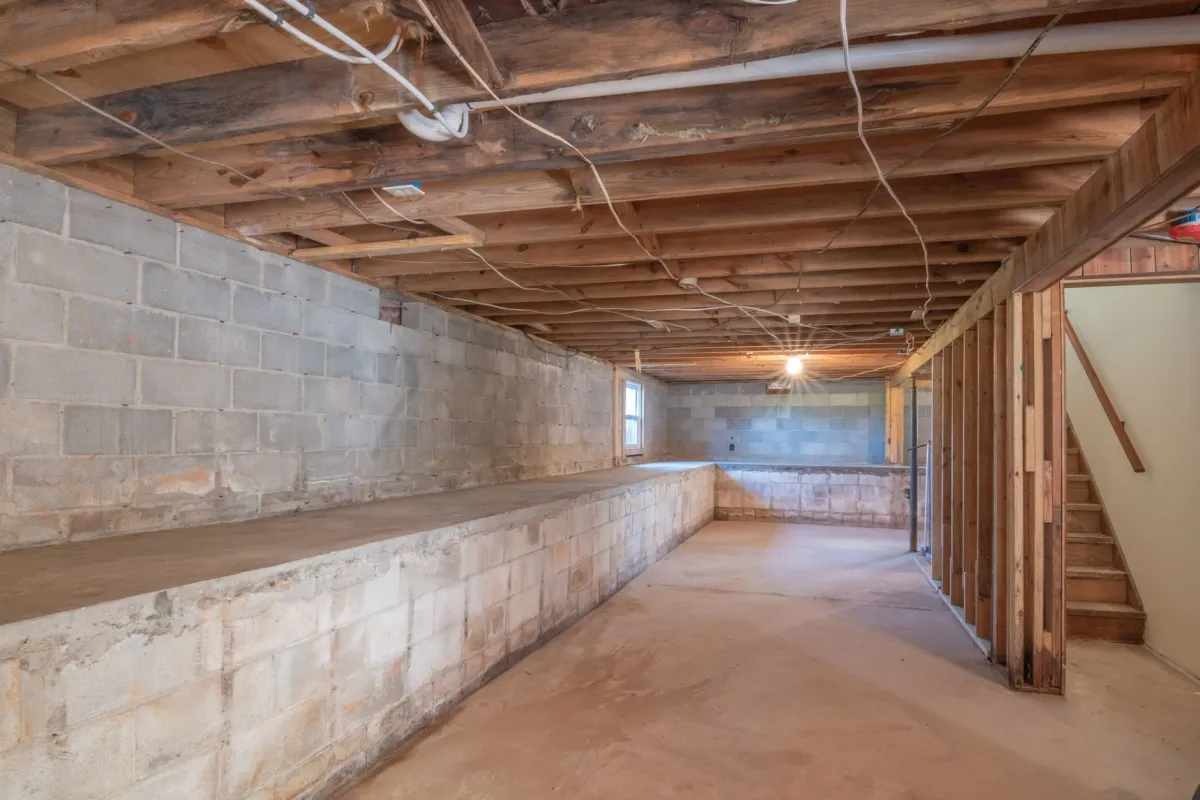
Radon is a colorless, odorless radioactive gas that forms when uranium in soil and rock breaks down. It moves up through the ground and enters a house through cracks in the slab, gaps around pipes, sump pits, and crawl spaces. Because a house draws air from the soil beneath it, the gas can build up indoors, especially on the lowest level.
The EPA estimates radon causes about 21,000 lung cancer deaths a year in the United States and names it the leading cause of lung cancer among people who have never smoked. That is why the agency’s own map carries a plain instruction: all homes should be tested, regardless of zone.
Geography matters here. On the EPA’s Virginia map, Rockingham County is shaded red (Zone 1), along with the neighboring counties of Augusta, Shenandoah, and Page and most of the western half of the state. Zone 1 is a regional prediction, not a verdict on your street. Two houses on the same block can test very differently, which is the whole reason to test your own.
When should you test for radon in the Shenandoah Valley?
Right now is a good window. The EPA’s short-term test instructions call for “closed-house conditions”: windows and exterior doors shut, except for normal coming and going, for 12 hours before the test starts and for the whole test. In November through February that happens on its own, since the heat is running and nobody is opening windows on a 30-degree morning.
A few practical rules for an accurate reading:
- Test the lowest level you use. If you have a finished basement with a den or guest room, the test goes there. If the basement is storage only, test the first floor.
- Run a short-term test for at least 48 hours. Short-term kits run 2 to 90 days. Long-term tests run more than 90 days and give a better year-round average.
- Keep the kit away from drafts, heat, and humidity. Not in the kitchen, bathroom, laundry room, or next to a vent. About 20 inches off the floor is the usual guidance.
- Skip the test during a big storm or high wind. Weather swings can skew a short reading.
Do-it-yourself kits are sold at hardware stores and through the Virginia Department of Health’s Indoor Radon Program site. A certified radon professional can also place a continuous monitor that logs hourly readings, which is what most home inspections use.
What radon level is too high?
The EPA’s numbers are simple:
- 4 pCi/L or higher: fix the home.
- 2 to 4 pCi/L: consider fixing it.
- Below 2 pCi/L: no action recommended, though retesting every couple of years or after major renovation is reasonable.
If a first short-term test comes back at or above 4, the EPA suggests a second test to confirm before you hire anyone. Average the two short-term results, or follow up with a long-term test if you have the time.
How does radon mitigation work?
The most common fix is called sub-slab depressurization. An installer drills a hole through the basement slab, runs a PVC pipe from below the slab to above the roofline, and puts an in-line fan on the pipe. The fan pulls soil gas from under the house and vents it outside before it can get in. Crawl space homes get a similar system with a sealed plastic barrier over the dirt floor.
What to expect:
- Installation usually takes a day. Most of the work is the pipe route, which you can often run through a garage or closet.
- A U-tube gauge on the pipe shows the fan is running. Glance at it when you change your furnace filter.
- Retest after the system is installed. The EPA recommends a follow-up test to confirm the level dropped, and again every two years.
- Hire a certified installer. Virginia law points buyers to the National Radon Proficiency Program and National Radon Safety Board, both of which list certified contractors.
The EPA says most homes can be fixed for about the same cost as other common home repairs, and the fan runs on a small amount of electricity. Get two written quotes, and ask each installer what post-mitigation reading they will guarantee.
Does radon affect selling a house in Harrisonburg VA?
It can, mostly through timing. Virginia’s Residential Property Disclosure Act (Va. Code 55.1-703) states that the owner makes no representation about whether a property is in a Zone 1 or Zone 2 radon area, and it advises buyers to do their own due diligence, including ordering a radon inspection before settlement. In practice, many buyers in Rockingham County add a radon test to their home inspection.
That means a high reading tends to surface in the middle of your inspection period, when the clock is short and the buyer is nervous. A seller who already tested and mitigated has a different conversation: here is the system, here is the installer’s paperwork, here is the passing retest. That is the same idea we covered in our post on home improvements that return value: fix what a buyer’s inspector will find before the inspector finds it.
If you are buying, see our Harrisonburg home inspection guide for how a radon test fits into the inspection contingency. And while you are working through winter prep, pair the test with the rest of the winterizing checklist.
A simple winter radon plan
- This month: buy a short-term kit, close up the house, and place it on the lowest lived-in level for at least 48 hours.
- If the result is 4 pCi/L or higher: run a second test to confirm, then get two quotes from certified installers.
- After mitigation: retest, file the results with your home records, and check the gauge every few months.
- Planning to sell in 2027: test this winter so any fix is done well before you list.
Questions about radon results, mitigation, or how a reading might play into a sale this spring? Valley Homes Team is happy to walk through it with you and point you to the right local resources, no pressure and no obligation.
Sources: EPA Map of Radon Zones, Virginia; EPA radon testing guidance; Code of Virginia 55.1-703.
Frequently Asked Questions
Is Harrisonburg in a high radon area?
Yes. Harrisonburg is inside Rockingham County, which the EPA Map of Radon Zones places in Zone 1, meaning a predicted average indoor screening level above 4 pCi/L. Neighboring Augusta, Shenandoah, and Page counties are Zone 1 as well.
What radon level is too high?
The EPA recommends fixing a home at 4 pCi/L or higher and says to consider fixing it between 2 and 4 pCi/L.
When is the best time to test for radon in the Shenandoah Valley?
Any time you can keep the house closed, but late fall and winter make it easy because windows and doors stay shut. Keep the house closed for 12 hours before and during a short-term test of at least 48 hours.
Do Virginia sellers have to disclose radon?
Virginia's Residential Property Disclosure Act (Va. Code 55.1-703) says the owner makes no representation about radon zones and advises buyers to do their own due diligence, including ordering a radon inspection before settlement.
Does a radon mitigation system hurt home value?
A working system with a recent passing retest usually answers a buyer's question before it is asked. Keep the installer paperwork and post-mitigation test results for your listing file.
Get the Harrisonburg market numbers, once a month
Harrisonburg market numbers, what is being built around town, and a personal note. Once a month.
No spam. Unsubscribe with one click at the bottom of any issue.
Own a home around here? See what it's worth today, or ask our team a question.