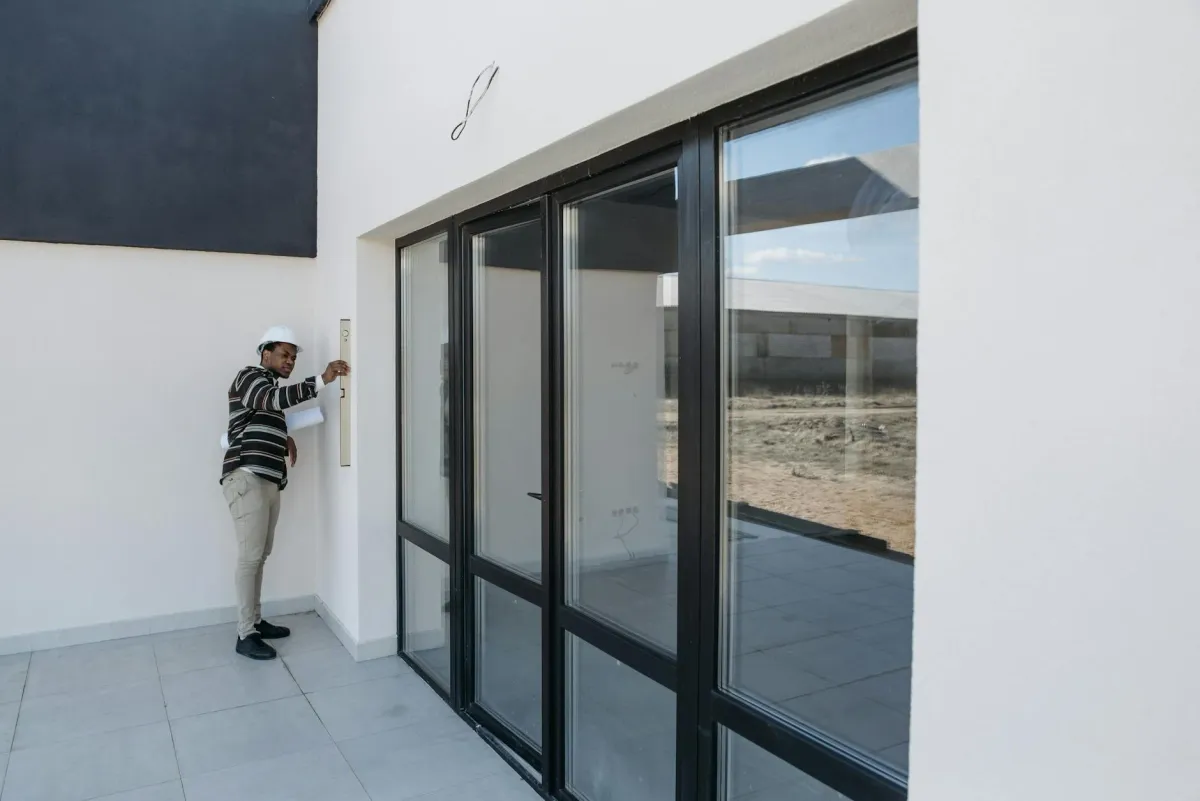
If you’re getting ready to buy a home in Harrisonburg or the Shenandoah Valley, the home inspection is one of the most important steps you’ll take before closing. It’s your chance to get a professional, unbiased look at the property’s condition — and in Virginia, where the law puts most of the responsibility on the buyer, that matters more than you might think.
Whether you’re a first-time buyer or you’ve been through the process before, here’s what to expect when it’s time to schedule your home inspection.
Why Home Inspections Matter More in Virginia
Virginia follows what’s known as a caveat emptor — or “buyer beware” — doctrine. Unlike many other states that require sellers to disclose known defects, Virginia law places the burden on the buyer to discover problems with the property before purchasing it.
In practical terms, this means that a seller in Virginia is only required to provide a disclaimer form stating they make no guarantees about the property’s condition. They aren’t required to volunteer information about a leaky basement, aging electrical wiring, or a roof that’s nearing the end of its life.
That’s why a home inspection isn’t just a formality here — it’s your primary line of defense. A thorough inspection gives you the information you need to make a confident decision, negotiate repairs, or walk away if the issues are more than you’re willing to take on.
What Does a Home Inspector Look For?
Virginia-licensed home inspectors follow standards of practice set by the state through the Department of Professional and Occupational Regulation (DPOR). During a standard inspection, they’ll evaluate the readily accessible and visible components of the home, including:
Structural Components and Foundation — The inspector will look at the home’s framing, foundation walls, floors, and load-bearing walls for signs of settling, cracking, or structural compromise. In the Shenandoah Valley, where many homes sit on sloped lots or have full basements, foundation issues are worth paying close attention to.
Roof and Exterior — Expect a careful look at the roofing materials, gutters, downspouts, flashing, and exterior cladding. Virginia weather — hot summers, cold winters, and everything in between — takes a toll on roofing systems. The inspector will note the roof’s approximate age and condition and flag any signs of damage or wear.
Electrical System — Wiring, panels, outlets, and grounding will all be evaluated. Older homes in Harrisonburg may still have outdated wiring, such as knob-and-tube wiring (common in homes built before 1950) or aluminum wiring (from the 1960s and 70s), both of which can present safety concerns.
Plumbing — The inspector checks water supply lines, drain lines, water heaters, and fixtures. They’ll run faucets, flush toilets, and look under sinks for signs of leaks. In older homes, galvanized steel pipes can corrode over time, leading to reduced water pressure and eventual leaks.
Heating and Cooling Systems — Your HVAC system is one of the most expensive components to replace, so inspectors pay close attention. They’ll check the furnace, heat pump, or boiler, along with the air conditioning system, ductwork, and thermostat. They’ll also note the system’s age and whether it appears to have been maintained.
Interior and Insulation — Walls, ceilings, floors, windows, and doors are all examined. The inspector will also check insulation levels in the attic and look for proper ventilation. In the Valley, where temperatures can swing from single digits in winter to the 90s in summer, adequate insulation and ventilation make a big difference in comfort and energy costs.
How Long Does a Home Inspection Take?
Plan on two to four hours for a typical single-family home inspection in Harrisonburg. Larger properties, older homes, or homes with additional structures like detached garages or outbuildings may take longer.
As a buyer, you’re welcome — and encouraged — to attend the inspection. Walking through the home with the inspector is one of the best ways to learn about the property. A good inspector will explain what they’re finding as they go, point out maintenance items, and answer your questions. Don’t be shy about asking.
You’ll typically receive a written report within 24 to 48 hours. The report will include detailed findings, photographs, and recommendations organized by system and severity.
How Much Does a Home Inspection Cost in Harrisonburg?
Home inspection costs in the Harrisonburg and Rockingham County area generally range from about $300 to $650 for a standard single-family home, including a radon test, depending on the property’s size, age, and which services you include. Smaller homes or condos may come in closer to $200–$300, while larger or more complex properties could run higher.
Keep in mind that certain add-on services cost extra:
- Radon testing — Radon is a naturally occurring gas that can accumulate in homes, and parts of the Shenandoah Valley are in moderate to high-risk zones. A radon test is often included in the base inspection price and is well worth considering.
- Termite/wood-destroying insect inspection — Virginia is home to several species of wood-destroying insects, including Eastern subterranean termites. A separate WDI inspection usually costs $50–$100 and is often required by lenders.
- Septic system inspection — Many homes outside of Harrisonburg city limits are on septic systems. A septic inspection typically runs $500–$1,000 and involves pumping and evaluating the tank and drain field.
- Well water testing — If the home uses a private well, testing the water quality is strongly recommended. A basic bacteria test for coliform typically runs around $60, making it an inexpensive but important safeguard.
The buyer typically pays for the home inspection, and it’s money well spent. Think of it as an investment in your peace of mind — and your negotiating position.
What Happens After the Inspection?
Once you have the inspection report in hand, you and your real estate agent will review the findings together. Most reports will note a mix of major concerns, minor deficiencies, and routine maintenance recommendations.
Here’s where the home inspection contingency in your contract comes into play. If you included an inspection contingency (and in Virginia, you absolutely should), you generally have a few options depending on how the contingency is written:
Full Contingency — You can request that the seller make repairs, offer a credit toward closing costs, reduce the purchase price, or you can void the contract entirely. This gives you the most flexibility.
Inspection with Right to Terminate — Sometimes called “for buyer’s information only,” you can cancel the contract if the inspection reveals issues you’re not comfortable with, but you can’t demand repairs or credits. This option is sometimes used in competitive markets as a middle ground.
No Contingency (As-Is) — You proceed with the purchase regardless of what the inspection reveals. While you can still get an inspection for informational purposes, you won’t have contractual leverage to negotiate. This carries the most risk, especially given Virginia’s buyer-beware law.
Your agent can help you understand which approach makes sense for your situation and guide you through any negotiations with the seller.
Common Issues Found in Shenandoah Valley Homes
Every home is different, but there are some issues that come up regularly in our area:
Moisture and drainage — With the Valley’s clay soils and rolling terrain, water management is a frequent concern. Inspectors often find evidence of water intrusion in basements, improper grading around foundations, or gutters that aren’t directing water far enough away from the house.
Aging HVAC systems — Heat pumps and furnaces have a typical lifespan of 15–20 years. Many homes on the market have systems approaching or past that mark, and replacement costs can run $5,000–$15,000 depending on the system.
Roof wear — Asphalt shingle roofs, the most common type in the area, last 20–30 years depending on quality and maintenance. Inspectors frequently note granule loss, damaged flashing, or missing shingles.
Outdated electrical — Some older homes in Harrisonburg’s established neighborhoods may have undersized electrical panels (60 or 100 amps) or wiring that doesn’t meet current safety standards.
Pest activity — Termites and carpenter ants are active in the Shenandoah Valley. Even if there’s no current infestation, inspectors may note conditions conducive to pest activity, like wood-to-soil contact or excessive moisture in crawl spaces.
Tips for Getting the Most Out of Your Home Inspection
A few practical suggestions to help you make the most of inspection day:
Be there in person. There’s no substitute for walking through the home with the inspector. You’ll learn things about the property that don’t always come across in a written report.
Ask questions. Inspectors are a wealth of knowledge. Ask about the severity of issues, estimated repair costs, and what they’d prioritize if it were their own purchase.
Don’t panic over the report. Every home inspection report will have findings — even on new construction. The goal isn’t to find a perfect house. It’s to understand what you’re buying and make an informed decision.
Focus on the big stuff. Cosmetic issues and minor maintenance items are part of homeownership. Focus your attention and any repair negotiations on significant structural, safety, or mechanical issues.
Hire a licensed inspector. In Virginia, home inspectors must be licensed through DPOR. Ask for their license number and verify it. You can also ask your real estate agent for a recommendation — experienced agents know which inspectors are thorough and professional.
Ready to Start Your Home Search in the Shenandoah Valley?
The home inspection is just one piece of the home-buying puzzle, but it’s a critical one — especially in Virginia. Understanding the process ahead of time puts you in a stronger position to make smart decisions when the time comes.
If you’re thinking about buying a home in Harrisonburg, Rockingham County, or the surrounding Shenandoah Valley area, we’d love to help you navigate the process from start to finish. Reach out to the Valley Homes Team to get started, or explore our current listings to see what’s available.
Looking for more guidance on buying in the Valley? Check out our guide on the cost to buy a home in the Shenandoah Valley for a detailed breakdown of what to budget for.