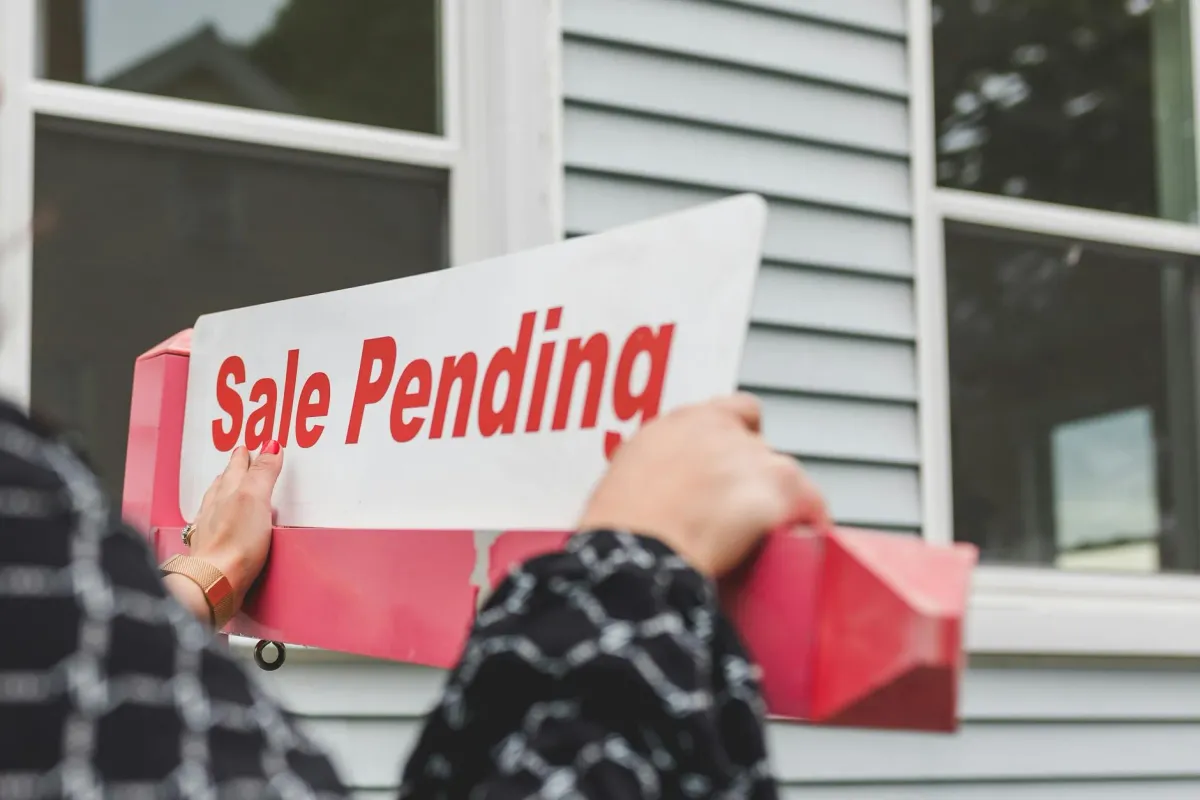
If you’ve been browsing homes in Harrisonburg or anywhere in Rockingham County, you’ve probably noticed listings marked “contingent” or “pending” — and felt that small twist of uncertainty about what those words actually mean for your house hunt. So what does contingent mean in real estate, exactly? In short, it means a seller has accepted an offer, but certain conditions still need to be met before the sale can fully close. The deal isn’t done — it’s holding its breath.
Understanding this status matters whether you’re a first-time buyer eyeing a starter home in Pleasant Valley or looking to move up to a bigger place near Lakewood. Let’s break down what’s happening behind the scenes, why contingencies exist, and what your options are when you spot that label on a Shenandoah Valley listing.
What Does Contingent Mean in Real Estate?
A contingent listing is a home that has an accepted offer with one or more contingencies still active. A contingency is a written condition in the contract that protects the buyer (and sometimes the seller) by allowing the deal to fall through — or be renegotiated — if specific things don’t pan out.
The most common contingencies in Virginia real estate contracts include:
- Home inspection contingency: The buyer can have a licensed inspector evaluate the property and request repairs, credits, or even back out if major issues turn up.
- Financing contingency: The buyer’s offer is conditional on getting approved for their mortgage. If the loan falls through, the buyer can typically walk away without losing earnest money.
- Appraisal contingency: The home must appraise for at least the contract price. If the lender’s appraiser comes in low, the buyer can renegotiate or exit.
- Sale of buyer’s current home contingency: The buyer needs to sell their existing house first.
- Title contingency: The seller must deliver clear title without surprise liens or ownership disputes.
Until those conditions are satisfied or formally waived, the listing stays in “contingent” status.
Understanding Listing Status in Harrisonburg’s MLS
Here in the Harrisonburg market, our Paragon MLS system keeps things focused on two key statuses when a home has an accepted offer:
Pending means a seller has accepted an offer and the sale is progressing toward closing. This is what you’ll see most often in our market. Whether contingencies are still active or all cleared, the home shows as pending while under contract, covering everything from initial acceptance through final closing preparations.
Active with Kickout means the seller has accepted an offer that includes a contingency for the buyer to sell their current home first, but they’re still actively showing the property and accepting backup offers. If a solid offer without this contingency comes in, the original buyer gets a set period (usually 72 hours) to remove their contingency or the seller can “kick them out” in favor of the new buyer.
Industry data suggests roughly 5–10% of homes under contract don’t make it to closing, so even pending listings aren’t guaranteed sales.
Can You Make an Offer on a Pending Home?
In most cases, yes — and in a competitive market like the Shenandoah Valley, it can absolutely be worth trying. Many pending listings will still accept backup offers, meaning if the current deal falls through, your offer is next in line.
Here’s how to think about it strategically:
- Ask your agent about the contingency situation. A buyer still waiting on financing approval suggests more risk than one who’s already cleared their loan contingency.
- Submit a strong, clean offer. Backup offers sometimes win precisely because they have fewer contingencies of their own.
- Don’t put your search on hold. Treat a backup offer as a long shot, not a guarantee. Keep touring other homes that fit your criteria.
For “Active with Kickout” listings, you can actually trigger the kickout clause by submitting an offer without the home sale contingency, potentially moving the original buyer to make a quick decision.
Why Contingencies Are a Good Thing for Buyers
It’s tempting to view contingencies as obstacles, but they’re really protections. Buying a home in Harrisonburg or anywhere in the Valley is likely the biggest financial decision you’ll make this decade. Contingencies give you structured exit ramps if something serious goes wrong — a foundation issue uncovered at inspection, a low appraisal, or a hiccup with financing.
In hot seller’s markets, some buyers waive contingencies to make their offers more attractive. That can work, but it shifts risk squarely onto the buyer. Before waiving anything, talk through the trade-offs with an agent who knows the local market and recent comparable sales in your target neighborhood.
What Happens If a Pending Sale Falls Through?
When a pending deal collapses, the home typically goes back on the market as “Active.” If you’ve submitted a backup offer, your agent will hear quickly and you’ll get the chance to move forward. If you’re just watching the listing, set up an alert so you know the moment its status changes.
Sellers in this position are usually motivated to close fast on the next round, which can occasionally work in a buyer’s favor on price or terms — especially if the previous deal collapsed late in the process and the seller has already mentally moved on.
How Valley Homes Team Helps You Navigate Contingencies
Reading MLS status codes is one piece of the puzzle. Knowing which contingencies are likely to clear, which ones tend to blow up deals, and how to write an offer that protects you without scaring off a seller — that’s where local experience matters. Harrisonburg’s market has its own rhythm, and the difference between a winning backup offer and one that gets ignored often comes down to details an experienced local agent will spot.
If you’re house hunting in Harrisonburg, Rockingham County, or anywhere in the Shenandoah Valley and want a clear-eyed conversation about a specific listing’s status, the Valley Homes Team would be glad to help you read between the lines. Reach out anytime — there’s no pressure, just straight answers about how the local market actually works.