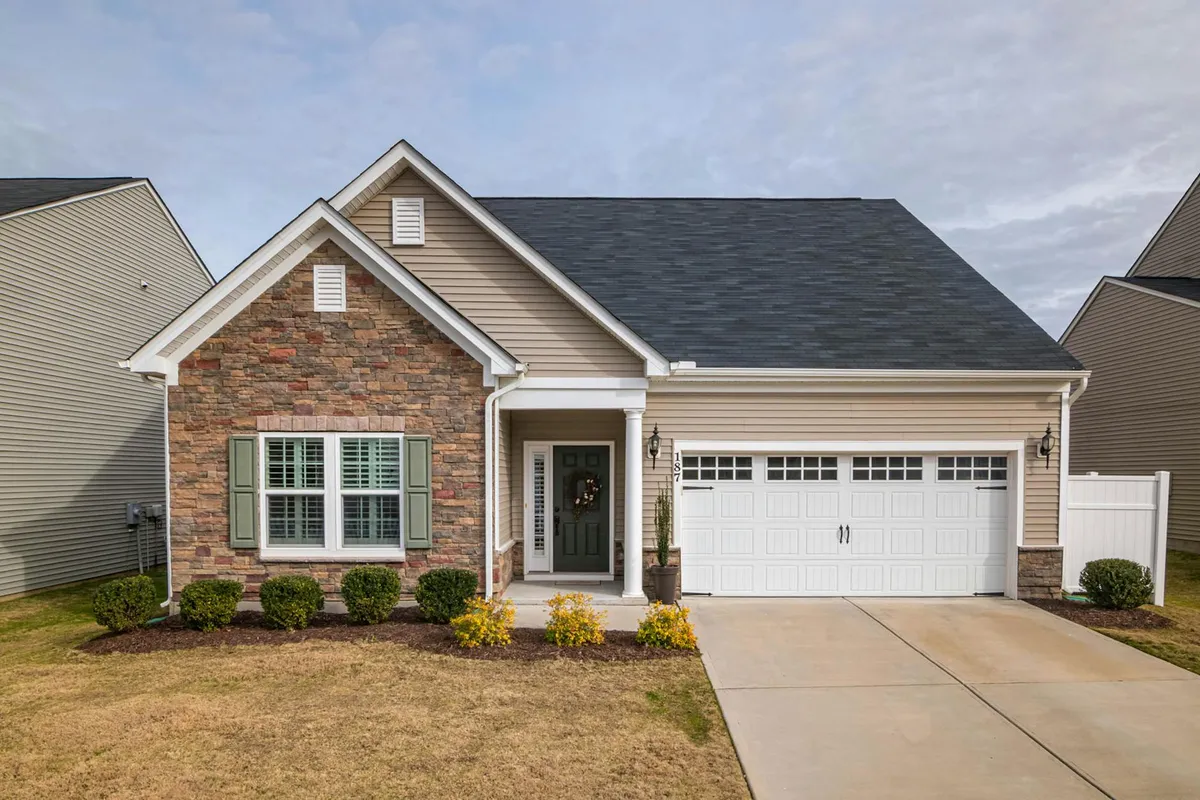
If you’re buying or selling a home in Harrisonburg or the greater Shenandoah Valley, there’s one step in the transaction that often catches people off guard: the home appraisal. Whether you’re a first-time buyer worried about financing or a seller who just accepted an offer, understanding how the appraisal process works can save you time, money, and a lot of unnecessary stress.
In this guide, we’ll walk through everything you need to know about home appraisals in the Harrisonburg, VA real estate market — from what an appraiser actually does during their visit to how local market conditions affect your home’s appraised value.
What Is a Home Appraisal?
A home appraisal is an independent, professional assessment of a property’s fair market value. Lenders require appraisals on nearly every mortgage transaction to make sure the home is worth at least as much as the loan amount. Think of it as the lender’s way of protecting their investment — and yours.
The appraiser is a licensed, third-party professional who has no stake in whether the sale goes through. In Virginia, real estate appraisers are regulated by the Virginia Department of Professional and Occupational Regulation (DPOR), and they must follow strict guidelines when determining a home’s value.
It’s worth noting that an appraisal is not the same as a home inspection. While an inspection digs into the mechanical and structural condition of the property, an appraisal focuses primarily on market value — though appraisers do note obvious safety or habitability concerns, especially for government-backed loans like FHA and VA.
How the Appraisal Process Works
Here’s what you can expect once your lender orders an appraisal in the Harrisonburg area.
The Lender Orders the Appraisal
After you have a signed purchase agreement, your mortgage lender will order the appraisal. Borrowers don’t get to choose their appraiser — lenders select from a pool of licensed professionals, often through an appraisal management company (AMC). This separation exists to prevent conflicts of interest and ensure an unbiased opinion of value.
The Property Visit
The appraiser will schedule a visit to the property, which typically takes 30 to 60 minutes. During this visit, they’ll walk through the home and evaluate its overall condition, size, layout, and features. They’ll also assess the exterior, noting things like the condition of the roof and siding, landscaping, and any outbuildings like garages or sheds.
Appraisers pay attention to details that affect value: updated kitchens and bathrooms, the age and condition of major systems (HVAC, plumbing, electrical), flooring, and the general flow and functionality of the floor plan. They’ll measure the home’s square footage and compare it against tax records.
Comparable Sales Analysis
This is where the real number-crunching happens. The appraiser will research recent sales of similar homes — known as “comparables” or “comps” — in the Harrisonburg and Rockingham County area. They typically look at three to five properties that have sold within the past six months and are similar in size, age, condition, and location.
In our local market, comps might come from neighborhoods across Harrisonburg, or from nearby communities in Rockingham County like Bridgewater, Dayton, or Penn Laird, depending on the property type and location.
The appraiser makes adjustments based on differences between the subject property and the comparables. For example, if a comp has a two-car garage and the subject home has a one-car garage, the appraiser will subtract value from that comp accordingly. These adjustments lead to a final opinion of value for the subject property.
The Appraisal Report
Once the analysis is complete, the appraiser compiles a detailed report that includes the property’s estimated market value, descriptions of the home and comparables used, photos, and an explanation of any adjustments. This report is sent to the lender, typically within 7 to 10 business days from the initial order.
How Much Does a Home Appraisal Cost in the Harrisonburg Area?
For a standard single-family home in Virginia, appraisal fees generally range from $450 to $750. The exact cost depends on several factors, including the property’s size, complexity, and location. Larger homes, multi-unit properties, or homes on significant acreage may cost more to appraise.
In the Harrisonburg and Rockingham County market, you can typically expect fees on the lower to middle end of that range for a standard single-family home. The borrower usually pays the appraisal fee, and it’s often collected upfront when the lender places the order. Keep in mind that this fee is generally non-refundable, even if the loan doesn’t close.
If you’re using a VA loan, appraisal fees in Virginia typically range from $500 to $900, depending on the property type and market conditions.
What Appraisers Look for in Your Home
Understanding what factors influence an appraiser’s opinion of value can help both buyers and sellers set realistic expectations.
Interior Factors
Appraisers evaluate the home’s overall condition and quality of construction. Updated kitchens and bathrooms tend to have a positive impact on value, as do hardwood floors, energy-efficient windows, and modern HVAC systems. They’ll also note the number of bedrooms and bathrooms, the total square footage, and the overall layout and functionality.
Exterior and Lot
The appraiser assesses curb appeal, the condition of the roof and siding, landscaping, and the lot itself. In the Shenandoah Valley, where many properties sit on larger lots or include outbuildings, these features can meaningfully affect the appraised value. A well-maintained barn, detached garage, or fenced pasture can all add value — but they need to be in good condition.
Location and Market Conditions
Location plays a significant role in any appraisal. Proximity to schools, shopping, major employers like James Madison University or Sentara RMH Medical Center, and access to Interstate 81 all factor into how comparable sales are selected and adjusted.
With the Harrisonburg market showing relative stability in early 2026 — median home prices have been holding steady in the mid-$340,000 range — appraisers have a solid base of recent comparable sales to work with. This price stability actually makes the appraisal process smoother than it was during the more volatile years of 2021 through 2023, when rapidly rising prices sometimes led to appraisal gaps.
How to Prepare Your Home for an Appraisal
If you’re the seller, there are several steps you can take to help ensure your home appraises at or above the contract price.
Complete minor repairs beforehand. Fix leaky faucets, patch small holes in drywall, replace burned-out light bulbs, and make sure all doors and windows operate properly. These small fixes signal that the home has been well-maintained.
Clean and declutter. While appraisers aren’t grading you on housekeeping, a clean and organized home creates the impression of a well-cared-for property. Clear pathways to the attic, basement, and crawl space so the appraiser has easy access to all areas.
Boost your curb appeal. Mow the lawn, trim shrubs, clean gutters, and consider freshening up the front door or exterior paint if needed. The exterior is the appraiser’s first impression, and it matters.
Prepare a list of improvements. If you’ve made upgrades — a new roof, updated HVAC system, kitchen renovation, or added square footage — compile a list with dates, costs, and any permit documentation. Handing this to the appraiser helps ensure they account for all value-adding improvements.
Make sure all systems are functional. The home needs to have working electricity, plumbing, and a permanent heat source. For FHA and VA loans, there are additional requirements around safety features like smoke detectors, handrails, and the condition of exterior paint.
What Happens if the Appraisal Comes in Low?
This is the scenario that makes both buyers and sellers nervous — and in any market, it does happen. A low appraisal means the appraiser’s opinion of value is less than the agreed-upon purchase price. Here’s what you can do if it happens in your Harrisonburg transaction.
Renegotiate the Purchase Price
The buyer’s agent can present the appraisal to the seller and request a price reduction to match the appraised value. In a balanced market like Harrisonburg’s current conditions, many sellers are willing to negotiate rather than risk losing the deal and starting over.
The Buyer Covers the Difference
If the buyer really wants the home, they can pay the difference between the appraised value and the purchase price out of pocket. This amount — sometimes called an “appraisal gap” — is paid in addition to the down payment. Some buyers include an appraisal gap clause in their initial offer to strengthen it, essentially agreeing upfront to cover a certain amount above the appraised value.
Meet in the Middle
Often, the buyer and seller split the difference. For example, if the home appraised $10,000 below the contract price, the seller might reduce the price by $5,000 while the buyer brings an extra $5,000 to closing. This compromise keeps the deal alive and shares the impact between both parties.
Request a Reconsideration of Value
If your agent believes the appraiser missed relevant comparable sales or made errors in their analysis, they can submit a formal request for reconsideration. This involves providing additional comps or correcting factual errors. It doesn’t always result in a change, but it’s a legitimate option worth exploring.
Walk Away
If your purchase agreement includes an appraisal contingency — and most do — the buyer has the right to walk away from the deal without losing their earnest money deposit if the home doesn’t appraise at the contract price. This contingency is an important protection, especially in a market where pricing can be uncertain.
The Appraisal Contingency: Why It Matters
Speaking of contingencies, the appraisal contingency is one of the most important clauses in a real estate contract. It gives the buyer a way out if the home’s appraised value doesn’t support the purchase price.
In competitive markets, some buyers waive the appraisal contingency to make their offer more attractive. While this can help you win a bidding war, it also means you’re on the hook for any gap between the appraised value and the purchase price. Before waiving this contingency, make sure you have the financial cushion to cover a potential shortfall.
If you’re buying in Harrisonburg right now, the good news is that the market is relatively balanced compared to the intense seller’s market of a few years ago. That means you’re less likely to face pressure to waive contingencies, and you have more room to negotiate if an appraisal issue arises.
For more on how market conditions affect your buying strategy, check out our Cost to Buy a Home in Shenandoah Valley guide for a detailed breakdown of what to budget for when purchasing a home in our area.
Final Thoughts
The home appraisal is a routine but critical part of the real estate process. For buyers, it’s a safeguard that helps ensure you’re not overpaying for a property. For sellers, it’s an opportunity to showcase the value of your home through preparation and documentation.
In the Harrisonburg and Shenandoah Valley market, where home prices have remained steady and the local economy continues to support housing demand, appraisals tend to go smoothly — especially when both parties come prepared.
If you have questions about the appraisal process or want to know what your Harrisonburg area home might be worth, reach out to our team. We’ve helped hundreds of buyers and sellers navigate every step of the transaction, and we’re happy to help you understand what to expect.