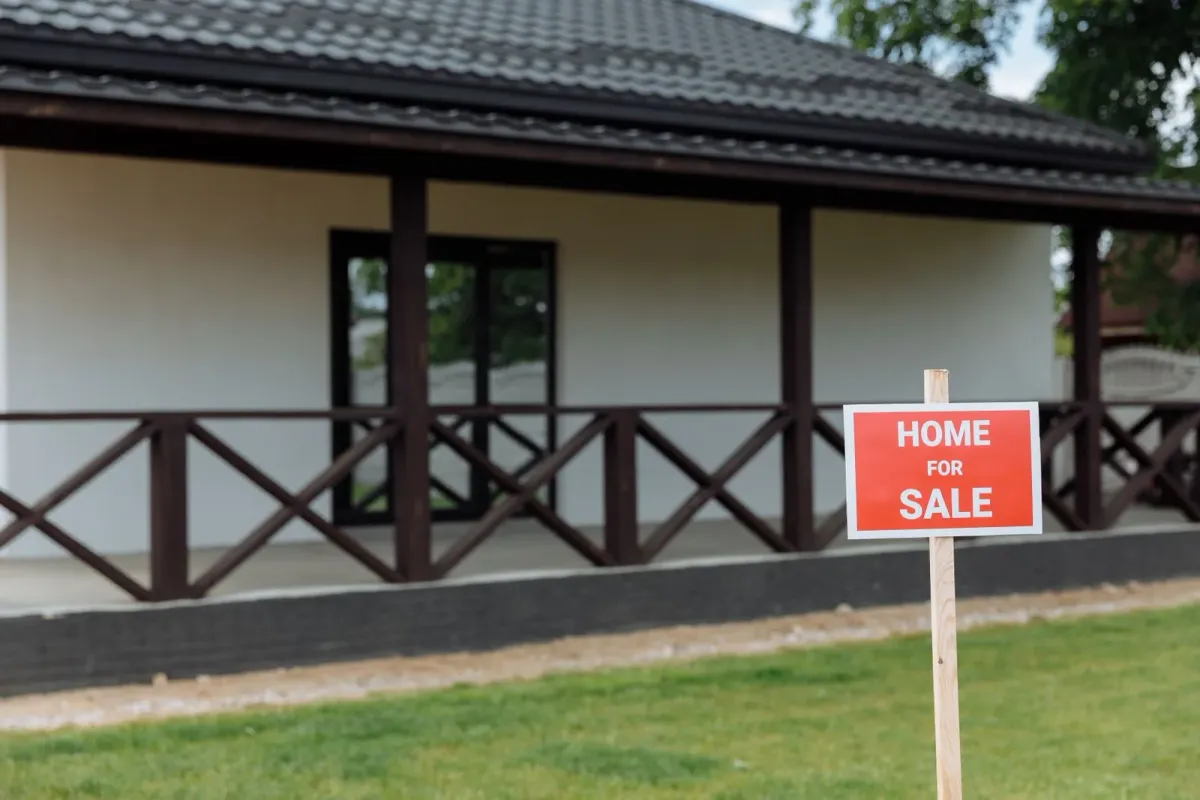
Scrolling through homes for sale in Harrisonburg VA is the fun part. Saving favorites, mentally rearranging furniture, deciding which porch you’d drink coffee on. That stage costs nothing and feels great. The harder part comes the morning you find the one and realize you have about 24 hours to put together an offer that a seller will actually say yes to.
Most buyers we work with in Harrisonburg and Rockingham County aren’t losing out because they picked the wrong house. They’re losing out because the offer wasn’t ready when the house was. This guide walks through what to line up before that moment arrives, so you can move quickly without guessing.
Get your financing nailed down before you tour
A pre-qualification is a conversation. A pre-approval is a lender actually pulling your credit, reviewing your income documents, and issuing a letter with a specific number on it. Sellers in this market can tell the difference, and so can their agents.
Ask your lender for three things before you start touring seriously:
- A written pre-approval letter with your maximum purchase price and the loan type: conventional, FHA, VA, or USDA. Rockingham County has a lot of USDA-eligible territory just outside the city limits, and that program allows zero down payment on qualifying properties. It’s worth asking about even if you assumed you didn’t qualify. We wrote a full guide to USDA loans in Rockingham County.
- A payment breakdown at a few different price points. Not just principal and interest. The full picture with taxes, homeowners insurance, and mortgage insurance if it applies. The City of Harrisonburg and Rockingham County have different tax rates, so the same purchase price produces a different monthly payment depending on which side of the line the house sits on.
- An estimate of cash to close. This is the number that surprises people. Between your down payment, closing costs, prepaid taxes and insurance, and the escrow account your lender sets up, closing costs commonly land somewhere around 2 to 5% of the purchase price on top of your down payment. Our closing costs guide breaks that down line by line.
If you’re working with a local lender, ask whether they’ll be reachable on a Saturday afternoon. A seller reviewing multiple offers on a weekend often has their agent call the lender directly. A lender who picks up is quietly one of your strongest assets.
Know what homes for sale in Harrisonburg VA actually cost, and move accordingly
Harrisonburg is a small market with a lot of different sub-markets stacked inside it. A well-kept ranch near a neighborhood park, a newer build out toward Crossroads Farm, and a downtown property on the blocks around Court Square all move at different speeds and attract different kinds of competition.
What that means practically: don’t calibrate your expectations off a citywide median. Before you write, ask your agent to pull the last 90 days of comparable sales in that specific area, same style, similar square footage, similar condition. You want to know two things. What did similar homes actually sell for, not list for? And how many days did they sit before going under contract?
Those two numbers tell you almost everything about how aggressive your offer needs to be. A home in an area where comparable properties are going under contract in a week at or above list price is a different negotiation than one where the average is 45 days and a price reduction.
Build an offer that competes on more than price
Price gets the attention, but it’s rarely the only thing a seller weighs. Several other terms carry real weight, and some of them cost you very little.
Earnest money. In our area, earnest money deposits often run around 1% of the purchase price, though it varies. A larger deposit signals you’re serious. It’s also fully credited toward your purchase at closing, and it’s protected as long as you honor your contingency deadlines, so a strong deposit is more signal than sacrifice.
Closing timeline. Ask your agent to find out what the seller actually needs. Some want a fast close. Others need to stay in the home for a few weeks while they finalize their own purchase. Matching their timeline can be worth more to them than another few thousand dollars.
Inspection approach. You should get a home inspection. What’s negotiable is how you handle it. Instead of waiving the inspection entirely, which we don’t recommend, consider narrowing your repair requests to items above a set dollar threshold, or shortening the inspection window. You keep your protection while giving the seller more certainty.
Appraisal gap language. If you’re competing above list price, sellers worry the appraisal will come in low and blow up the deal. If you have cash reserves, you can offer to cover a specific gap amount, say up to $5,000, in writing. Only do this if you truly have that cash sitting available, because you’d owe it at closing.
A clean, complete package. Correct dates, signatures in the right places, pre-approval letter attached, proof of funds included. Sloppy paperwork makes an agent wonder what else will be sloppy over the next 30 days.
Understand what happens after “accepted”
Getting your offer accepted starts the clock, and the first two weeks carry most of your deadlines. Home inspection, appraisal ordering, loan underwriting documents, and often a termite inspection all stack up in that window.
Two habits keep this stretch smooth. First, respond to your lender the same day they ask for something. Underwriting requests tend to snowball when they sit. Second, don’t open new credit accounts, finance furniture, or change jobs between contract and closing. Lenders re-verify before funding, and a new credit line can genuinely derail a closing that was otherwise on track.
Also worth knowing: a home under contract may still show as contingent in listing searches. That means an accepted offer exists but conditions haven’t been satisfied yet. Contingent homes occasionally come back on the market, which is a reason to keep an eye on them rather than write them off.
Start earlier than you think you need to
The single biggest advantage buyers have here isn’t a bigger budget. It’s a head start. Getting your pre-approval, understanding your target neighborhoods, and knowing your offer strategy before you find the house is what lets you act calmly when it appears.
If you’re just beginning to look at homes for sale in Harrisonburg VA and want to know what your numbers realistically support, the Valley Homes Team is happy to walk through it with you. No pressure, no timeline. Whether you’re six weeks or six months out, an early conversation tends to make the whole thing feel a lot less rushed when it counts.